Ada & Ignacio

Travel Guide for Our Wedding Guests

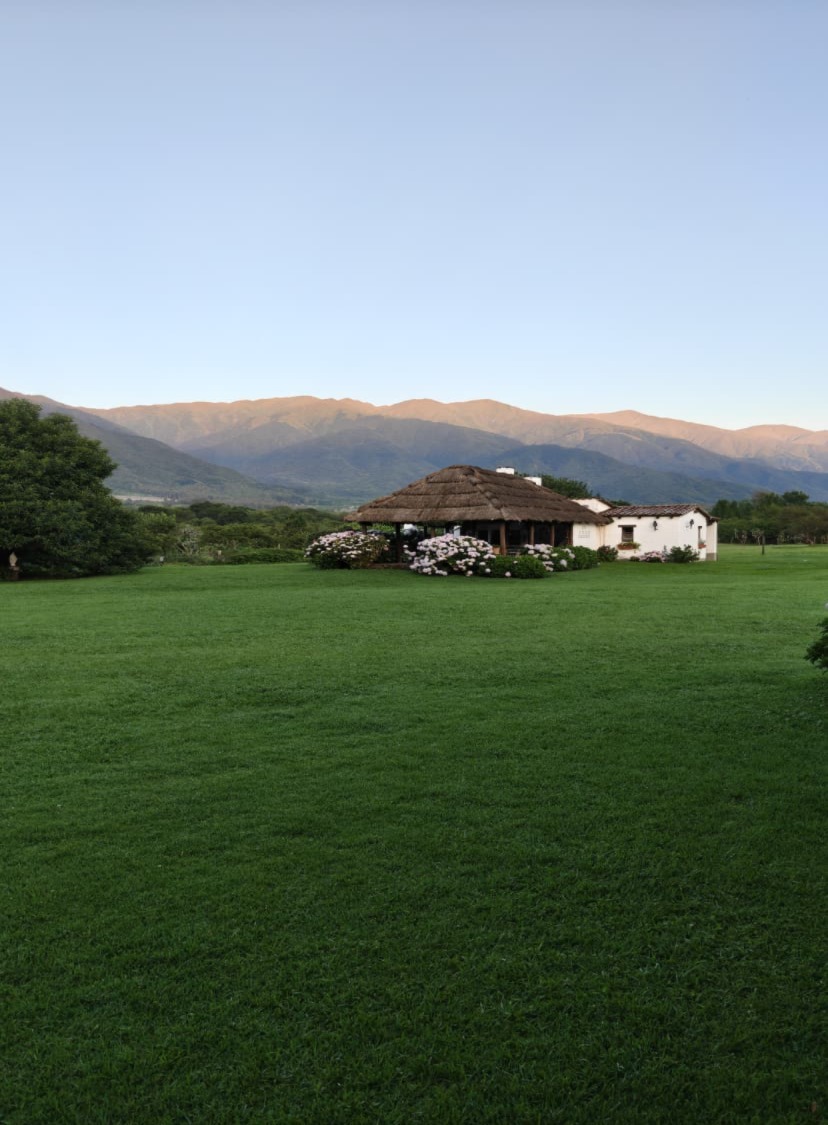
The farm in Salta where Ada and Ignacio will marry, with a white house and thatched roof set against green mountains

Hi everyone, it's Ignacio! Ada and I are beyond excited to celebrate our wedding with you in Salta on December 19th, on the farm — the one you've probably already seen a picture of, or spotted on Instagram. It's the place I grew up going to, and somehow, even though Ada isn't from here, she found her own kind of peace there too — it has a way of doing that to people. We can't imagine a better place to get married.

Since many of you are coming from far away, we wanted to share a few ideas on what to see while you're in Argentina — both around Salta and beyond, in case you want to extend your trip.

One honest disclaimer: Salta is my hometown, and I don't just love it — I'm deeply, irrationally connected to it, and being back here creates a kind of crazy happiness in me that's hard to explain. Ada, who's originally from Turkey, is supposed to keep me balanced on that front — though as you can probably tell from this guide, it's not really working.

Wedding Week Plans

Hi all, it's Ada! A few extra plans, in case you'd like to join beyond the wedding day itself:

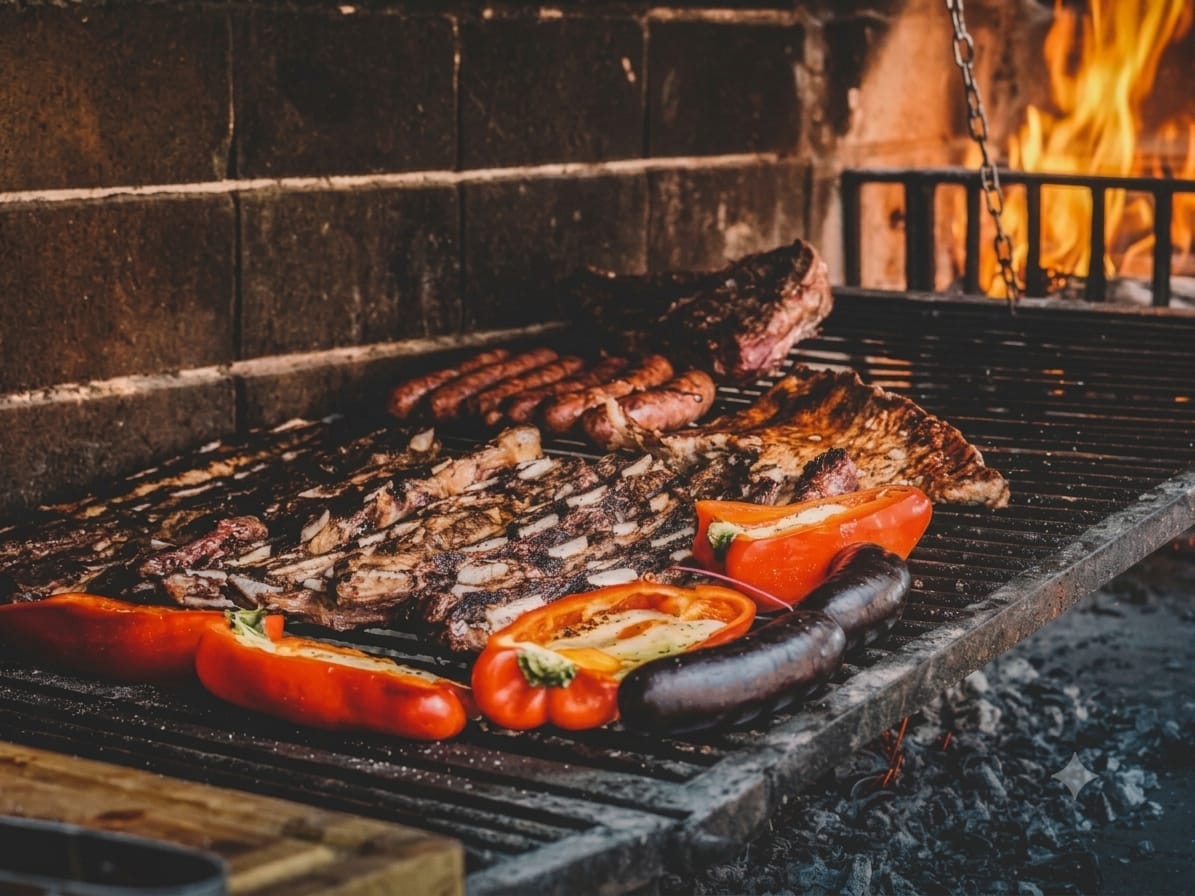
Thursday, December 17 — Pre-wedding asado at the farm. Nothing fancy, just an ultra-informal get-together with some meat on the grill at the farm, a couple of days before the big day. A relaxed way to see the place and catch up before things get busy.

Asado of ribs, sausages and peppers grilling over embers

A note on the wedding day itself: the farm is about 30 minutes from Salta city. There's a hotel very close by that we've reserved a block at, but it has very few rooms and works on a first-come, first-served basis. We'll also very likely organize a shuttle/bus from a central point in Salta city to take everyone to and from the farm on the wedding day, so you're free to drink and celebrate without worrying about driving — and we do hope you'll celebrate hard!

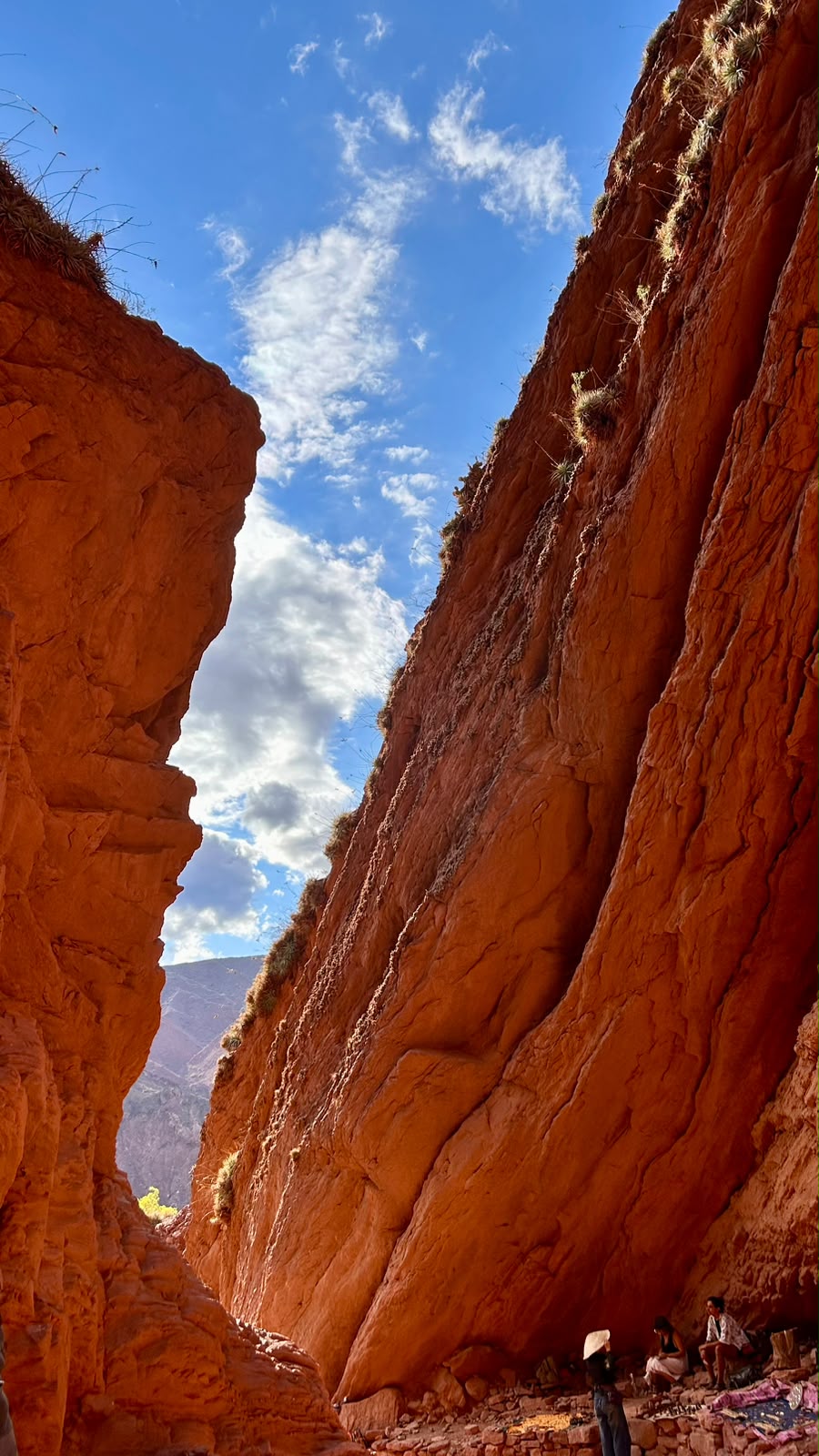
Sunday to Tuesday, December 20–22 — Trip to Cafayate. For those of you visiting from abroad, we'd suggest heading to Cafayate on the Sunday, once you've had a chance to recover from the wedding celebration. Ignacio and I will travel down to join you on Monday, so we can spend the day together — meals, wine tastings, and just time to relax as a group before everyone heads their separate ways. If we can arrange it, we'd love to bring you to the winery where Ignacio proposed to me — it feels almost like a small palace, and it has the same view that took my breath away the very first time I visited Salta. It's the most special place in the region for the two of us, and we'd love to share it with you. If your schedule allows, we'd recommend staying two nights (Sunday and Monday), heading back to Salta on Tuesday — that gives you plenty of time to catch a flight back to Buenos Aires if you need to head home.

Towering red rock walls of a canyon on the road to Cafayate

A couple of practical notes: each guest should arrange their own hotel and transportation for this part of the trip (see hotel recommendations below), but Ignacio is happy to help arrange restaurant and wine tasting bookings in Cafayate — just let us know if you'd like to join, and where you'll be staying.

Salta & the Northwest

This is the region closest to my heart, and I genuinely believe it's one of the most beautiful and underrated parts of Argentina. Here's how I'd spend the time if I were you.

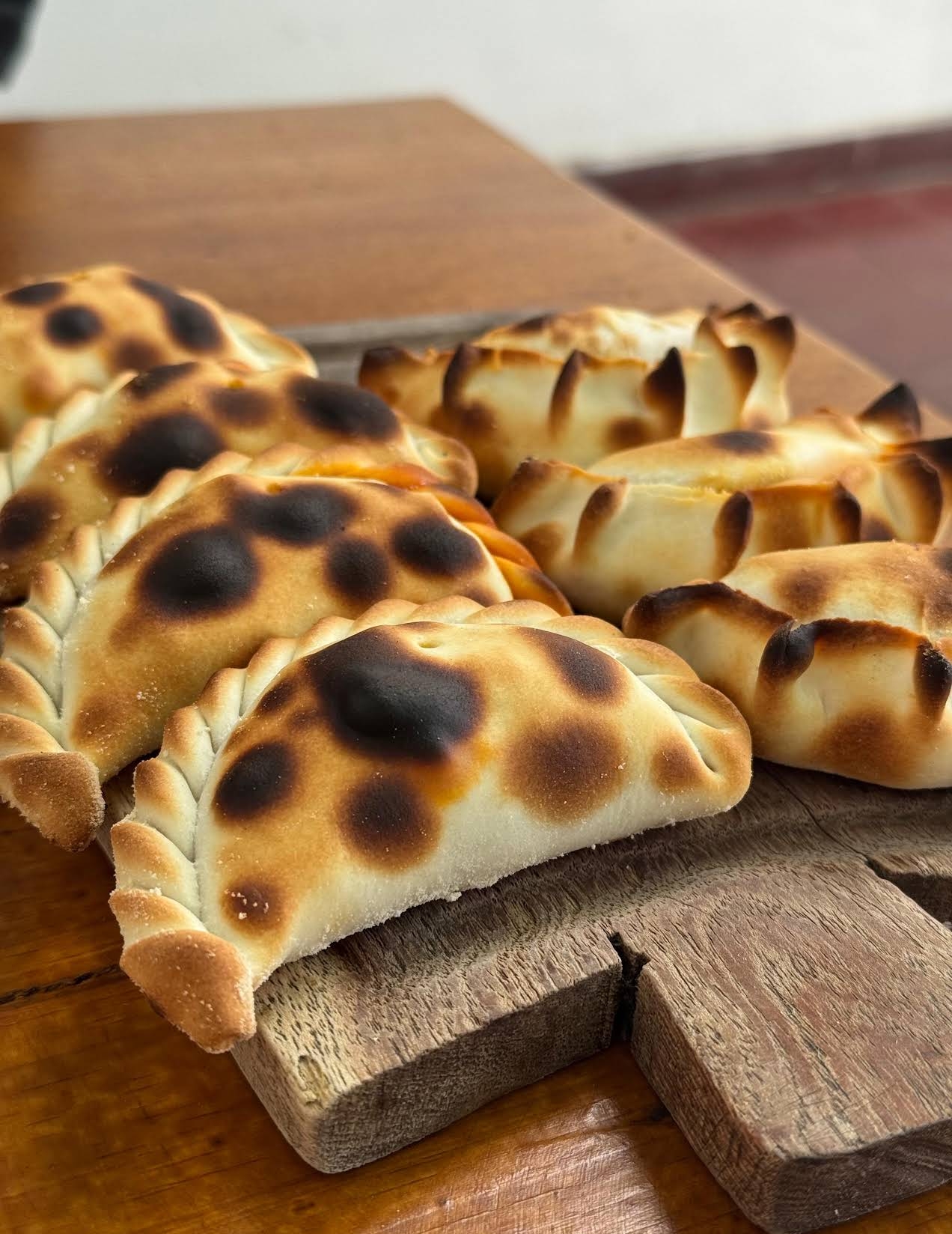
Freshly baked Salteña empanadas on a wooden board

Salta City

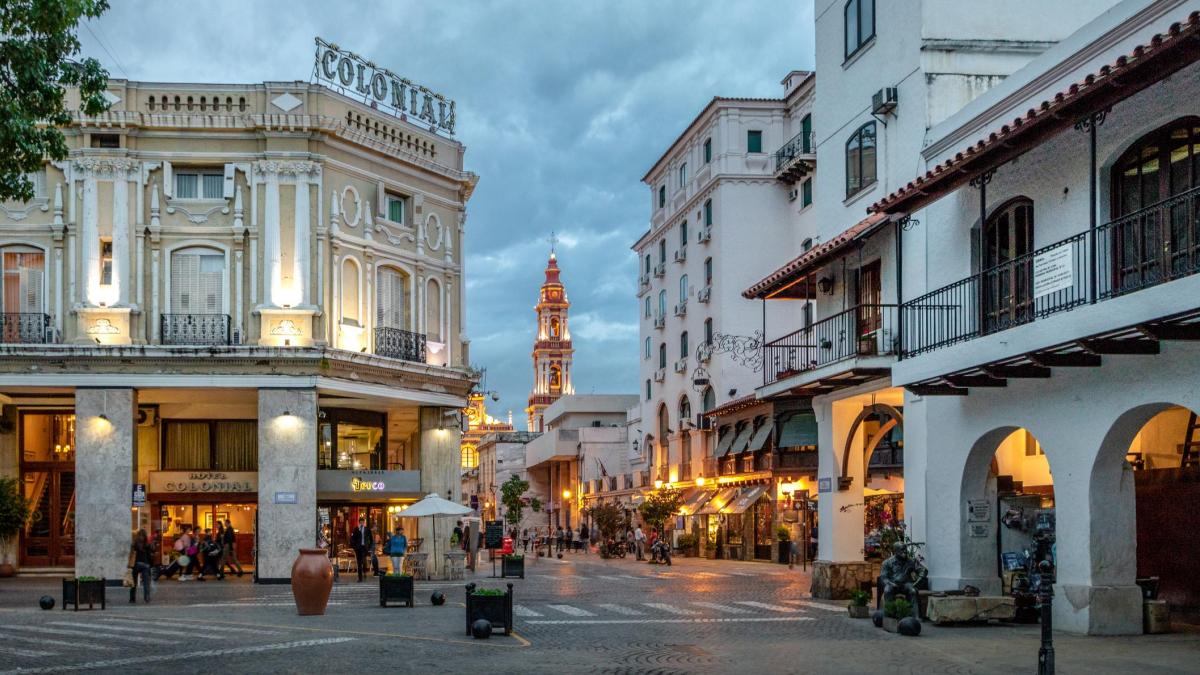
Known as "Salta la Linda" (Salta the Beautiful), the city itself is worth a slow day of wandering. Sip a coffee in the main plaza under the colonial arcades, ride the cable car up Cerro San Bernardo for sweeping views, and don't miss the MAAM museum, home to the remarkably preserved Inca mummies found on Mount Llullaillaco. In the evening, head to a peña for live folk music, empanadas, and locro — this is where Salta's soul really comes out. If you have a bit of extra time, it's worth a short trip out to San Lorenzo, just outside the city — a leafy, quiet town with its own little quebrada (ravine) and pockets of jungle-like vegetation, a nice contrast to the dry valleys you'll see elsewhere in the province.

Colonial buildings and the cathedral tower at dusk in Salta's city center

Cafayate

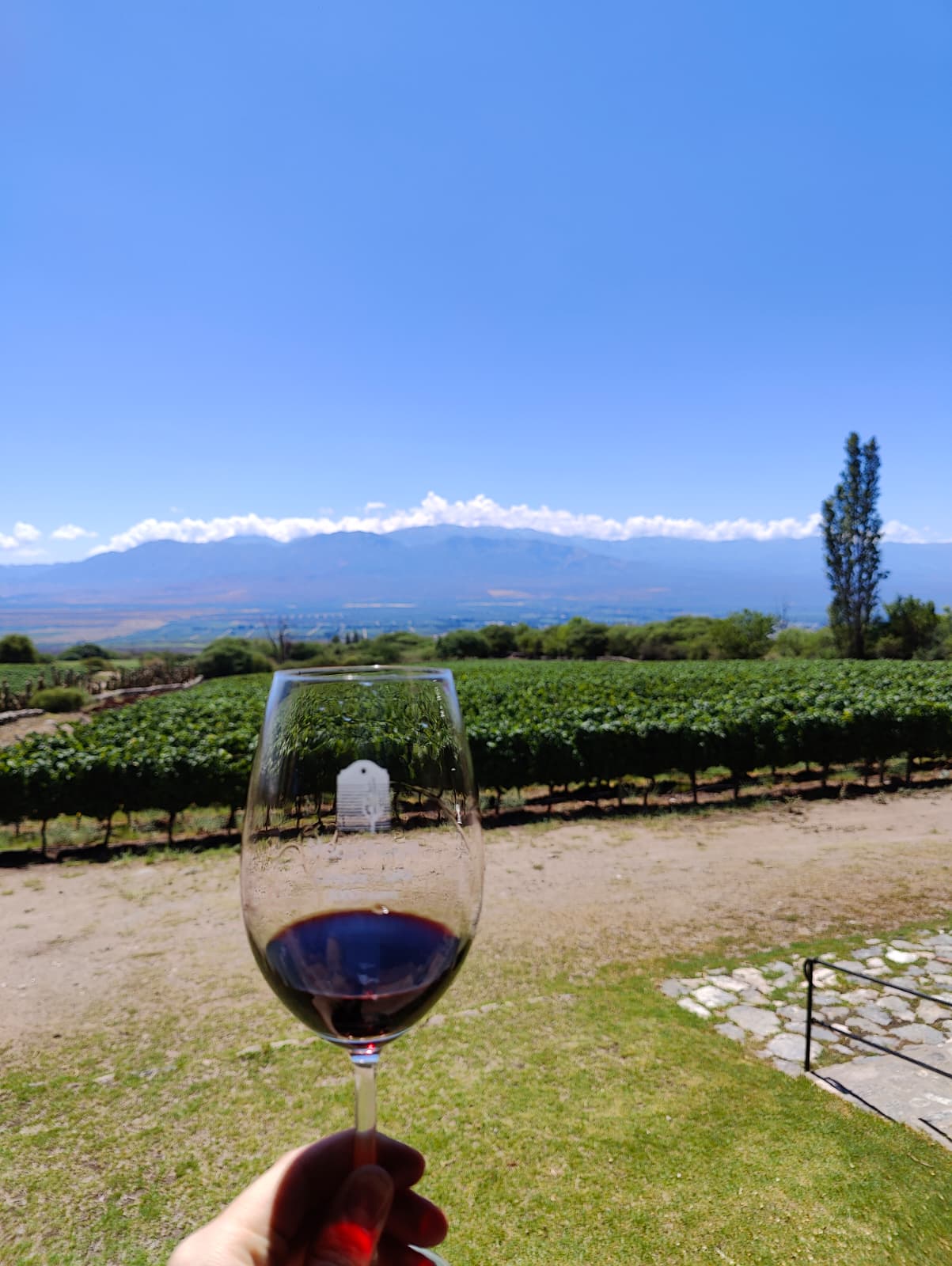
A couple of hours south of the city, Cafayate is a high-altitude wine region and one of my favorite places in the world — home to Torrontés, Argentina's fragrant white grape that thrives nowhere else quite like it does here. But don't just stick to whites — the region's high-altitude reds, grown at over 1,700 meters above sea level, are some of the most distinctive in the country, with an intensity of color and flavor you won't find at lower elevations. And if you go further into the surrounding mountains, one estate here is home to a vineyard widely recognized as the highest in the world, climbing past 3,000 meters above sea level — producing wines with a character that's nearly impossible to replicate anywhere else. Spend your days visiting bodegas tucked between vineyards and red mountains, and don't skip the drive down through the Quebrada de las Conchas, where wind and time have carved the rock into shapes like the Devil's Throat and the Amphitheater. Two days gives you time to actually relax into it — a wine tasting or two, a long lunch, and a proper look at the landscape.

A glass of red wine held up over the vineyards and mountains of Cafayate

Cachi

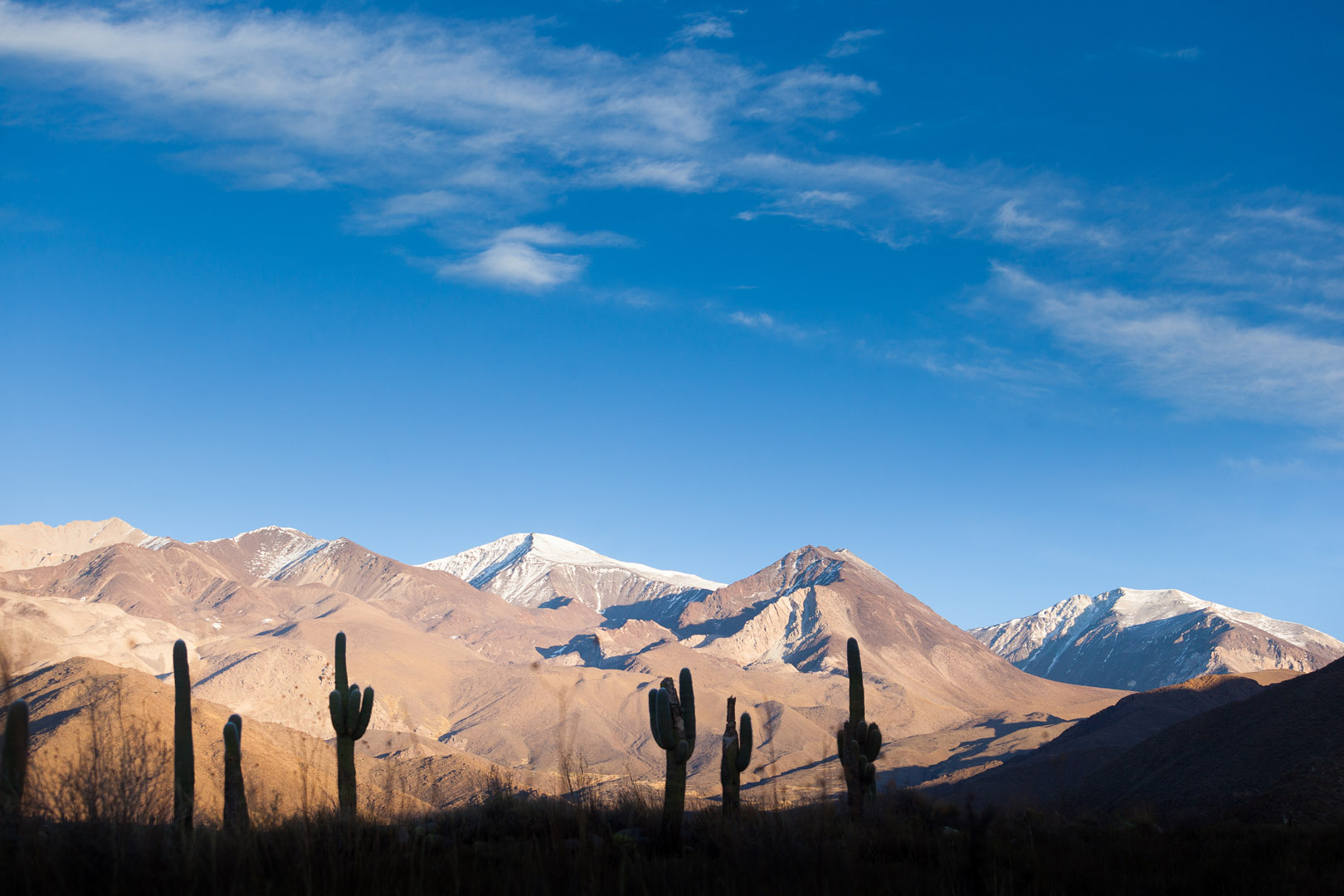
The road from Cafayate to Cachi is often cited as one of the most beautiful drives in Argentina — winding through Ruta 40, cactus-studded valleys, and small adobe villages that feel frozen in time. Fair warning: it's a rough, unpaved road, and in summer (which is when we're getting married!) a 4x4 pickup is genuinely necessary, not just recommended. Cachi itself is a tiny, whitewashed colonial town at the foot of the Nevado de Cachi — a peaceful place to catch your breath before heading back.

Cardón cacti silhouetted against the snow-dusted peaks of the Nevado de Cachi

Jujuy

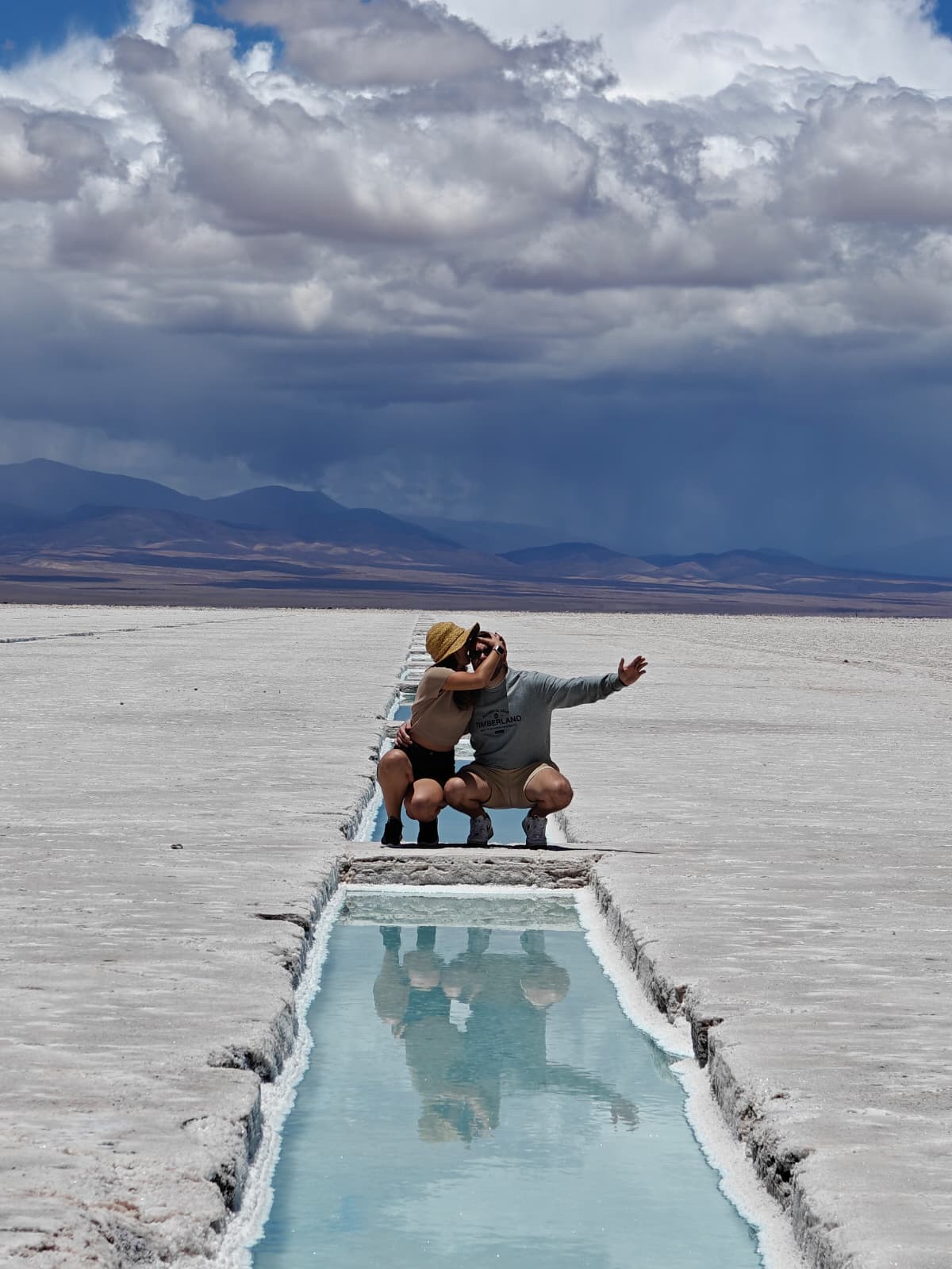
Just north of Salta, Jujuy is technically a different province but shares the same otherworldly Andean landscapes — striped mountains, salt flats, and villages that have barely changed in centuries. You can do it as a (very) long day trip, but we'd recommend sleeping over if your schedule allows. Highlights include Purmamarca, with its Seven-Color Hill right at the edge of town; the vast white expanse of Salinas Grandes; and Tilcara, with its pre-Inca fortress (the Pucará) overlooking the valley. If you do stay overnight, Purmamarca is the place to base yourself — small, walkable, and beautiful at both sunrise and sunset.

There are two ways to get there, and they couldn't be more different. The fast route (Ruta 34) is quicker and more direct, but the scenery is fairly unremarkable. The scenic route — the "Camino de Cornisa" (Ruta 9) — winds slowly through the Yungas, a cloud forest of thick, jungle-like vegetation that's part of a green corridor connected all the way down to the Amazon basin. It's narrow and windy, so it takes longer and asks for a careful driver, but the views are well worth it. If you have the time, our tip is to take one route on the way there and the other on the way back — that way you get both the speed and the scenery.

A couple crouching beside a turquoise salt pool at Salinas Grandes in Jujuy

Where to Stay in the North

We know planning accommodation from abroad can be tricky, so here are a few options we personally recommend for each stop in the Salta/Jujuy area, across different budgets. A word of caution: location matters a lot in these small towns, so before booking, feel free to check with us — unless you trust your own research skills!

Salta City
Design Suites, Hotel Legado Mítico, El Bodeguero, Almeria, El Bodeguero, Alejandro Primero, Sheraton, Hotel Colonial, Ayres de Salta — and many more, just ask us if you're unsure.
Cafayate
Patios de Cafayate, Grace, Piattelli, La Vieja Posada, Iraola Hotel
Cachi
La Paya, La Merced del Alto, El Cortijo, Hostería Cachi
Purmamarca
El Manantial del Silencio, La Comarca, El Marqués de Tojo, Los Colorados Cabañas, Los Ranchos Purmamarca (owned by a good friend of ours!)

(We're only listing hotels for the north — for Buenos Aires, Iguazú, Patagonia, and Mendoza, there's no shortage of great options, so we'll leave that research to you.)

More of Argentina

Buenos Aires

Honestly, Buenos Aires deserves more than a paragraph — it's one of the great cities of the world, and we mean that without exaggeration. It's a city of contrasts: European boulevards next to graffiti-covered barrios, world-class steakhouses next to hole-in-the-wall parrillas that are somehow even better.

Recoleta is the city's grandest neighborhood, all Parisian-style architecture, leafy plazas, and its famous cemetery, which feels more like an open-air museum than anything somber. Palermo is the coolest and greenest part of town — boutiques and cobblestone streets in Palermo Soho, restaurants and bars in Palermo Hollywood, and plenty of green space in the Bosques de Palermo.

And then there's the nightlife — Buenos Aires has genuinely earned its reputation as the city that never sleeps. Dinner rarely starts before 9 or 10pm, and it's completely normal to be out at a bar or club well past midnight. Wander San Telmo's cobblestone streets by day, catch a tango show by night, and don't leave without a proper asado and a glass of Malbec (though as you know by now, we might have opinions about where the best Malbec actually comes from). It's a big, layered city — even a few days will only scratch the surface.
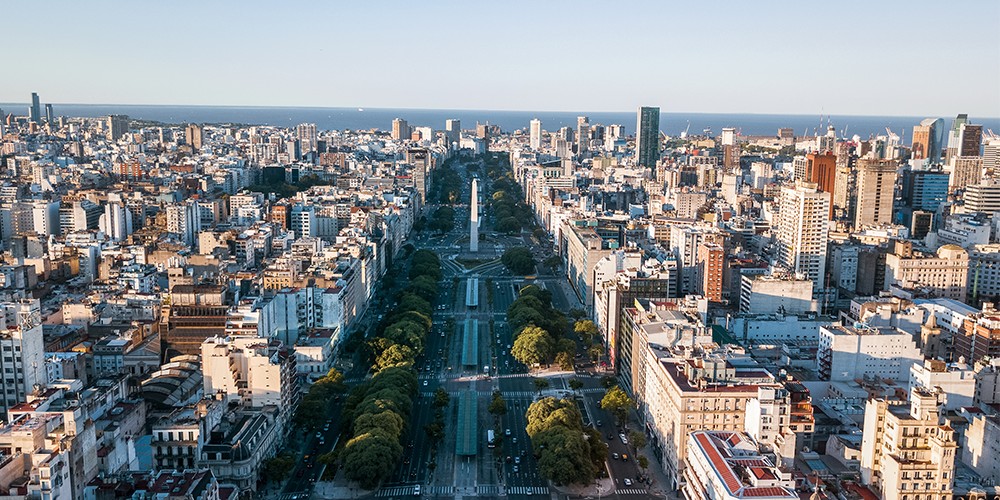
Aerial view of Buenos Aires with the Obelisk and 9 de Julio avenue stretching toward the river

Iguazú Falls

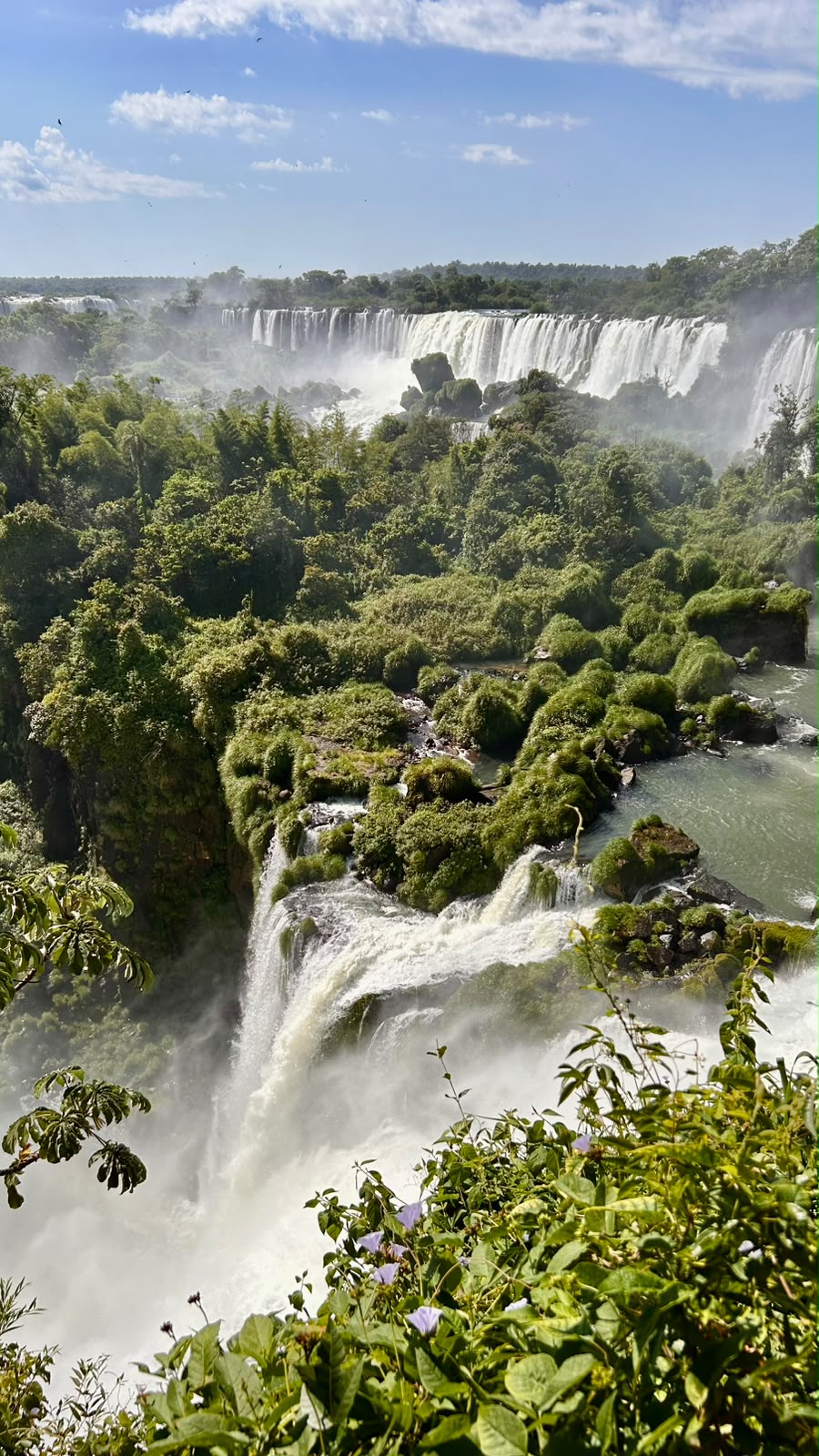
One of the great natural spectacles on the planet — hundreds of waterfalls crashing through the jungle, with mist you can feel from the walkways. The falls straddle Argentina and Brazil, and each side offers a completely different perspective: the Argentine side gets you up close and personal (including the thundering Devil's Throat from above), while the Brazilian side gives you the sweeping, postcard panoramic view. If you have the time, it's well worth doing one day on each side.

Iguazú Falls seen from the Argentine walkways

El Calafate & El Chaltén

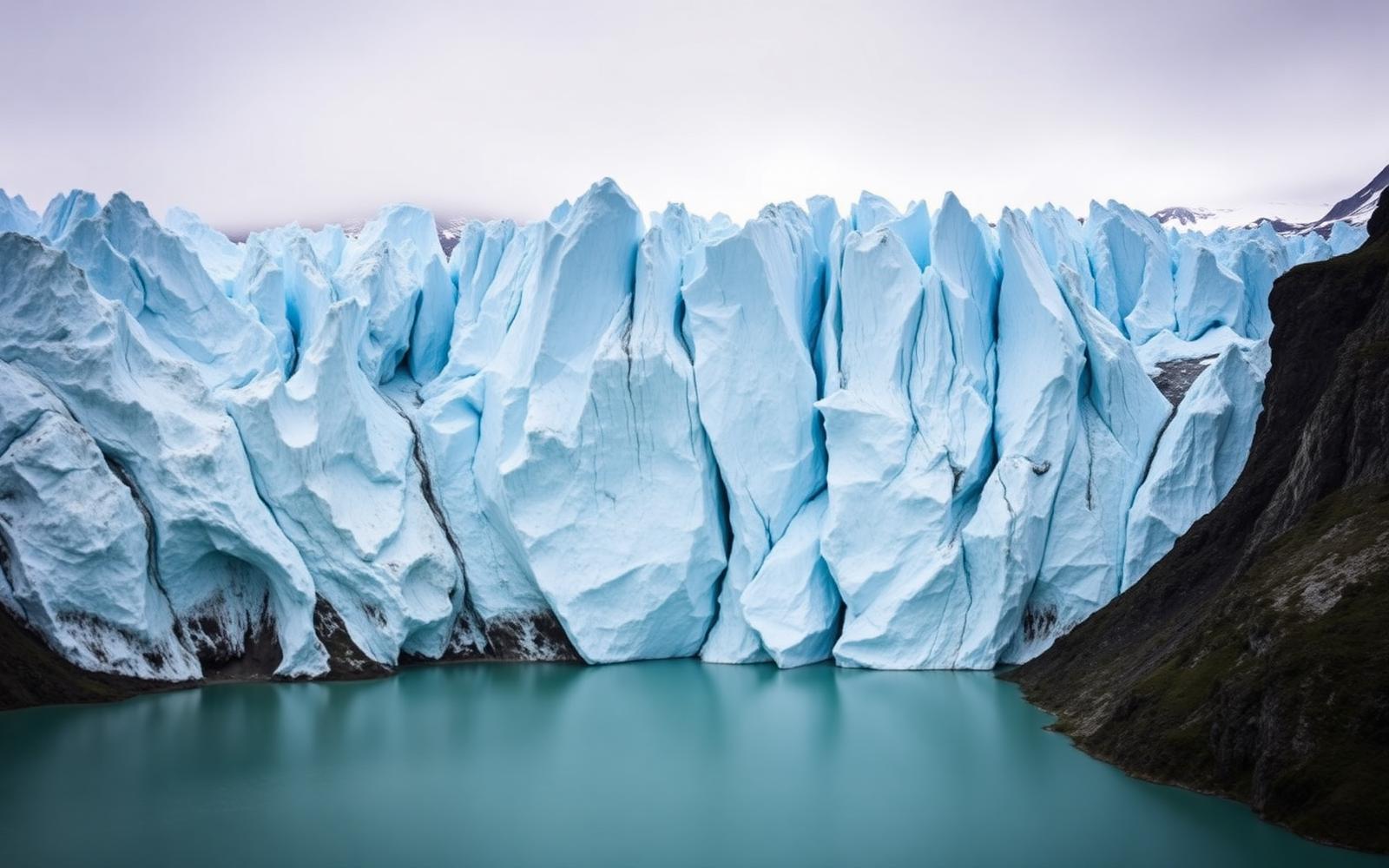
Patagonia at its most dramatic. El Calafate is your gateway to the Perito Moreno Glacier — a wall of blue ice you can watch calve into the lake in real time. A couple of hours away, El Chaltén is Argentina's trekking capital, sitting at the foot of the jagged Fitz Roy massif, with trails suited to everyone from casual walkers to serious hikers. It's remote, it's cold, and it's unforgettable.

The blue ice wall of the Perito Moreno Glacier

Mendoza

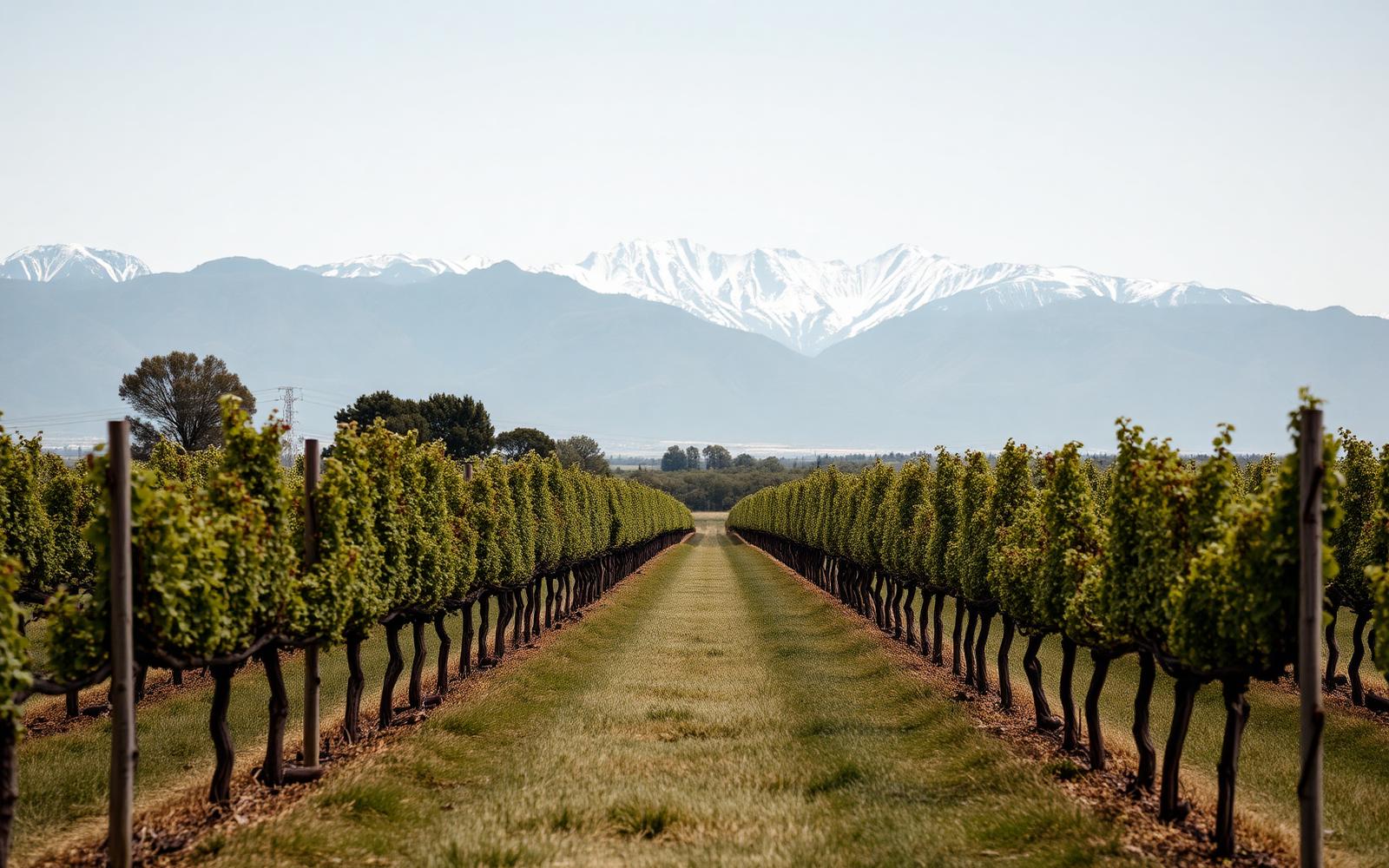
Argentina's most famous wine region, at the foot of the Andes. This is Malbec territory — vineyard after vineyard set against a backdrop of snow-capped peaks, with some of the country's best restaurants built right into the wineries themselves. It's also a great base for outdoor activities if you want to balance out all that wine tasting with a hike or a horseback ride. (A note from the groom: Mendoza gets all the fame, but he'll always take a Cafayate red over a Mendoza Malbec — feel free to taste both and form your own opinion.)

Mendoza vineyard rows with the snow-capped Andes behind

Bariloche & the Seven Lakes

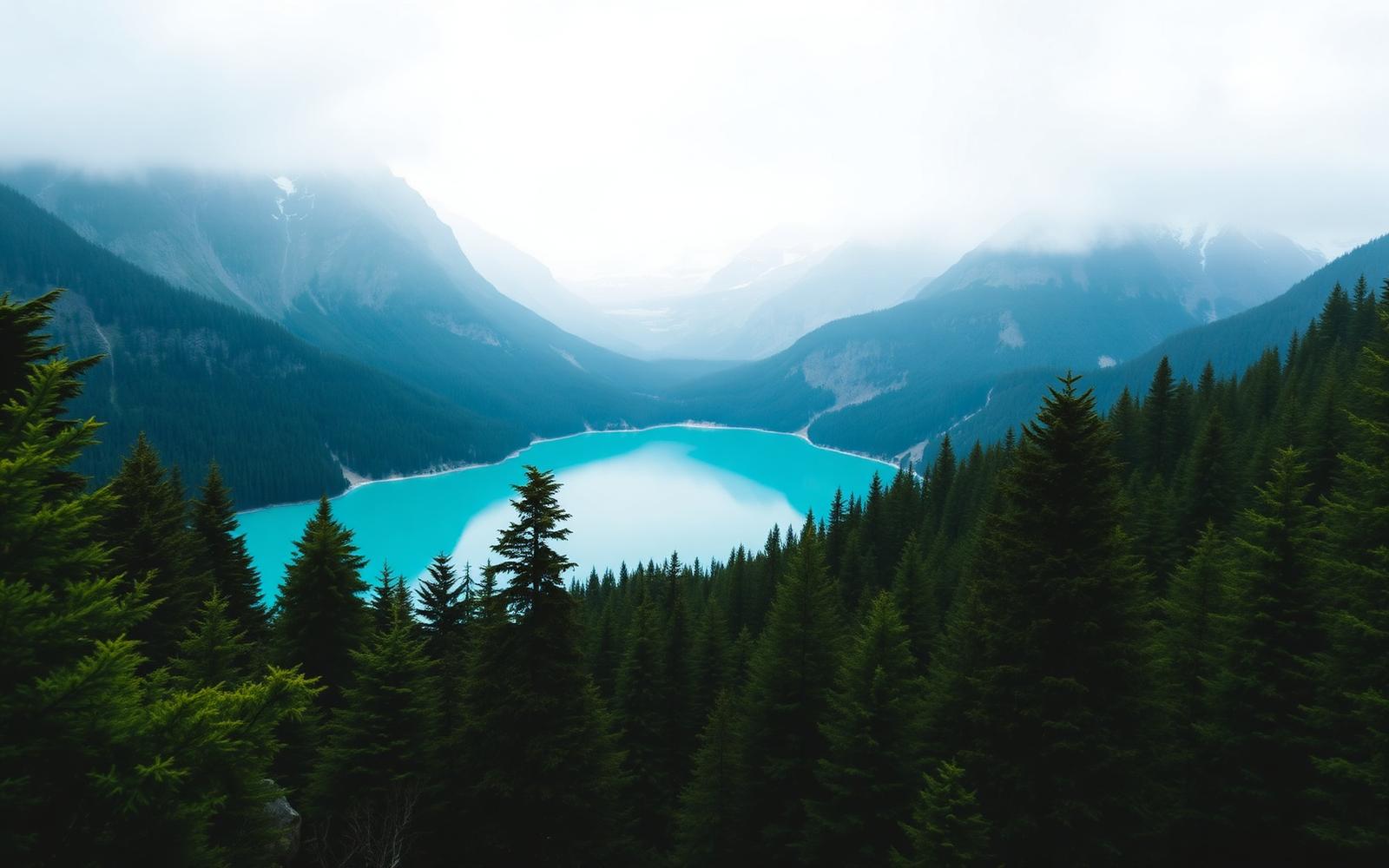
A slice of the Alps in South America — Bariloche sits on a glacial lake surrounded by forested mountains, and it's famous as much for its chocolate as its scenery. From there, the Ruta de los Siete Lagos (Seven Lakes Route) is a stunning drive south toward El Bolsón, weaving past one turquoise lake after another framed by dense forest. Great for hiking, lake-side relaxing, or just a scenic road trip.

Turquoise lake framed by forested mountains on the Seven Lakes route